Freeze Freshness, Label for Confidence

Today we dive into safe storage and labeling systems for long-lasting, healthy freezer meals made from fresh produce, turning weekend prep into stress-free weeknight nourishment. Learn how to capture peak-season flavor, guard nutrients, and organize your freezer so everyone can find, reheat, and enjoy wholesome food without guesswork or waste.

Wash, Sort, and Dry with Intention

Rinse produce under running water, not soaking, to lift dirt without spreading microbes. Separate firm vegetables from delicate berries, and keep raw proteins far away. Spin leafy greens dry and pat-cut vegetables thoroughly; excess surface moisture invites larger ice crystals and freezer burn. Clean boards and knives between batches to keep flavors pure and food safety uncompromised.

Blanching and Cooling to Stop Enzymes

Brief blanching halts enzymes that dull color and texture in green beans, broccoli, and carrots. Use a big pot, salt the water, and time each vegetable carefully. Immediately plunge into ice water to stop cooking and preserve snap. Drain well before packing, because trapped steam drives freezer burn and shortens quality lifespan.

Choose the Vessel with Purpose

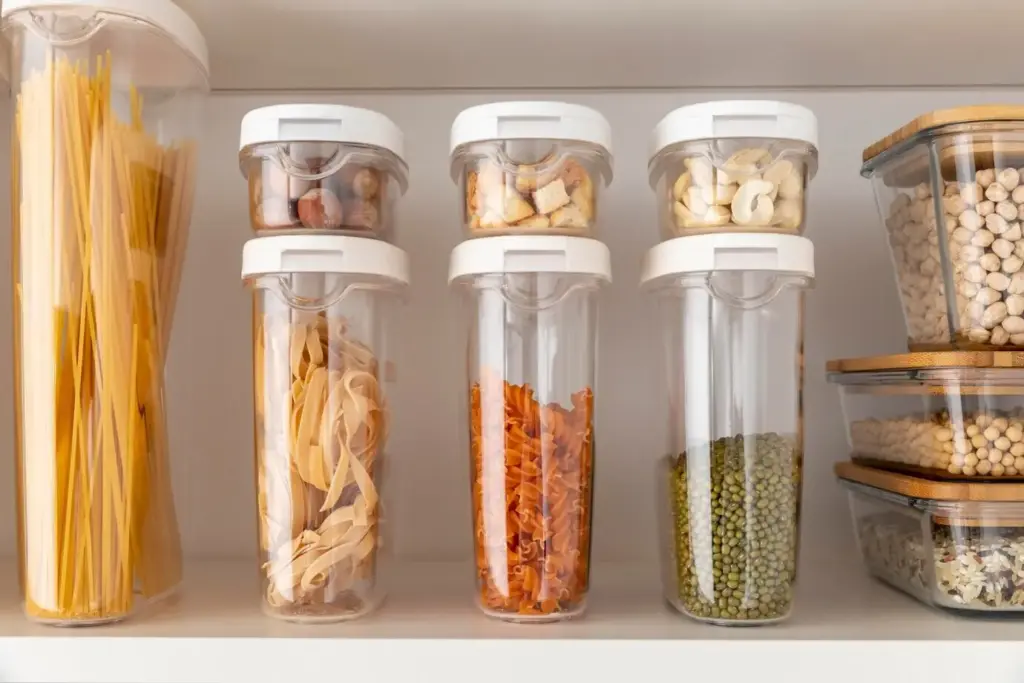
Glass containers shine for soups and stews; they resist staining and odors while showcasing contents at a glance. Rigid plastic and silicone excel for stackable meals and snug fits. Freezer-specific zipper bags flatten well, thaw quickly, and save space. Whatever you choose, prioritize airtight seals, crack resistance at low temperatures, and easy-to-label surfaces.

Air Is the Enemy—Remove It Relentlessly

Oxygen fuels freezer burn and dulls flavor. Press out air from bags, use water displacement for a near-vacuum seal, or invest in a vacuum sealer for best-in-class protection. Wrap casseroles tightly with parchment, then heavy-duty foil. For sauces, cool fully, then top off containers to minimize headspace, reducing ice crystal formation over time.

Prevent Odor Transfer and Staining

Aromatics like onions and garlic can perfume everything nearby if seals fail. Double-bag strong-smelling items and choose glass when color-rich sauces might stain plastic. Keep baking soda in the freezer compartment and clean gaskets periodically. Thoughtful placement and reliable lids preserve delicate fruits and greens from unwelcome flavors and unsightly discoloration.

What to Write and Why It Matters

Include dish name, key ingredients, freeze date, and a realistic use-by date for best quality. Add reheating steps, batch number, and portion size so teens, partners, or caregivers can help without confusion. Allergen notes ensure safety for guests and family. Clarity saves time, prevents waste, and makes weekday decisions refreshingly easy.

Color, Icons, and Placement for Instant Clarity

Color-code labels by meal type—green for vegetarian, blue for seafood, red for spicy—so the right choice leaps out. Add small icons for stovetop, oven, or microwave reheats. Place labels on container sides and lids for visibility in stacks. Big, bold dates and legible fonts win when freezer fog complicates quick searches.

Bring Digital Tools into the Freezer

Maintain a simple spreadsheet or use a shared note with item, quantity, and date. Add QR codes on labels that link to full recipes, nutrition, or family feedback. Sync across phones so groceries and meal plans stay aligned. A lightweight system prevents duplicates, prompts rotation, and turns batch cooking into a reliable routine.

Freezer Management for Maximum Lifespan and Zero Guesswork

Temperature consistency, smart organization, and routine rotation protect quality and safety. Keep your freezer at 0°F (-18°C) or below, avoid door storage for sensitive items, and group foods by category in sturdy bins. First-in-first-out habits, simple maps, and quick weekly check-ins transform a cold box into a dependable wellness engine.

Temperature Discipline Every Day

Place an easy-to-read thermometer in the freezer and check it weekly. Keep it 0°F (-18°C) or colder and resist frequent door openings. Fill empty space with water bottles to stabilize temperature during power blips. If outages occur, keep the door closed—food often stays safely frozen for many hours when undisturbed.

Organize for Speed and Safety

Designate shelves by category: vegetables, sauces, proteins, and ready-to-heat meals. Use labeled bins and a simple diagram taped to the door. Place most-used items at chest height for quick grabs. Faster retrieval means less temperature fluctuation, better texture, and a calmer kitchen when everyone is hungry at once.

Nutrition and Food Safety You Can Trust from Freezer to Fork

Capture nutrients at peak freshness, then handle cooling and reheating with care. Chill cooked foods quickly, avoid the 40°F–140°F (4°C–60°C) danger zone, thaw safely in the refrigerator, and reheat to an internal 165°F (74°C). These habits preserve vitamins, textures, and, most importantly, peace of mind for every eater at the table.

Thawing Without Risk or Soggy Textures

Thaw in the refrigerator whenever possible; slow, cold defrosting protects quality and safety. For quicker results, use sealed bags in cold water, changing water every 30 minutes. Microwave defrost only when cooking immediately. Never thaw on the counter, and avoid refreezing unless food remained refrigerator-cold and quality still feels worth preserving.

Reheating for Flavor and Safety

Heat thoroughly to 165°F (74°C), stirring soups and stews midway for even warmth. Add a splash of broth to revive grains or vegetables. Check hot spots with a thermometer, rest briefly for carryover heat, and avoid partial reheats. When in doubt, reheat more, not less, and savor textures that feel lively, not limp.

Plan Once, Cook Many with Modular Building Blocks

Choose base sauces, roasted vegetables, and proteins that remix into multiple dinners. Draft a timeline, gather tools, and prep aromatics together. Batch-blanch produce, then assemble varied meals—stir-fries, soups, grain bowls—using the same components. This modular mindset delivers diversity without fatigue, saving energy while preserving the thrill of fresh, colorful plates.

Set Up a Dedicated Labeling and Packing Station

Create a small command center with freezer tape, waterproof markers, pre-printed stickers, measuring scoops, and a digital scale. Lay out containers by size, stack cooling racks nearby, and keep a trash bowl for quick cleanups. With everything within reach, packing becomes fast, neat, and consistently documented for future you.

Community, Sharing, and Inspiration to Keep the Freezer Fun

Systems thrive when people use them together. Invite family members to help label, rotate, and choose dinners. Swap favorite label templates with friends, compare results, and celebrate small wins. Share photos, ask questions, and subscribe for new tests and freezer-friendly produce experiments that keep motivation high and meals consistently delightful.

Invite the Household into the Process

Assign roles: one person portioning, another labeling, someone else updating the digital list. Teach kids to read labels, pick meals, and note what they loved. Shared ownership reduces mental load, builds food skills, and keeps routines alive even when the primary cook needs a night off.

Crowdsource Smarter Systems and Fresh Ideas

Post your inventory template, ask for feedback, and learn regional blanching times or spice blends from others. Try community challenges—seven meals from one market haul, or color-coded systems tested for a month. Shared learning turns small tweaks into big wins and keeps the freezer lively, not stagnant.

Subscribe and Join Our Experiments

Sign up to receive printable labels, seasonal produce charts, and side-by-side tests of containers, vacuum sealers, and reheating strategies. Comment with questions, anecdotes, and victories so we can tailor future guides. Together, we will keep healthy, vibrant freezer meals reliable, inspiring, and deliciously easy to choose on busy nights.
Lorozufuzenaxupezulo
Privacy Overview

This website uses cookies so that we can provide you with the best user experience possible. Cookie information is stored in your browser and performs functions such as recognising you when you return to our website and helping our team to understand which sections of the website you find most interesting and useful.