Straight from the Fields, Ready for Your Freezer

Today we dive into Farm-to-Freezer Healthy Meal Prep, transforming peak-season produce and simply seasoned staples into vibrant meals that wait patiently in your freezer. We will explore smart sourcing, prep rituals, freezing science, batch cooking, safe thawing, and delicious reheating, while sharing practical stories, budget-friendly tips, and proven techniques so weeknight dinners feel calm, nourishing, and delightfully effortless. Join in, ask questions, and subscribe for checklists and seasonal updates.

Market Walkthrough Checklist

Arrive with a simple checklist that nudges you toward balance: leafy greens, sturdy vegetables, quick-cooking vegetables, herbs, berries, and citrus. Add notes for color variety, planned recipes, and freezer-friendly candidates. Touch, smell, and compare to choose peak quality. Jot quantities for batches, ensuring enough for fresh use and freezing, so you lower waste, save money, and fill your freezer with consistent, reliable ingredients.

What’s Worth Freezing, What’s Better Fresh

Not everything loves the deep chill. Cucumbers, lettuce, and high-water fruits often turn mushy, while berries, peas, corn, broccoli, cauliflower, leafy greens, and stone fruits freeze beautifully when prepped properly. Tomatoes soften but excel in sauces and soups. Herbs can be blitzed with oil into cubes. Recognize where freezing enhances convenience and where enjoying fresh preserves crunch, aroma, and that irresistible just-picked sparkle.

Building Relationships with Growers

Conversation at the stand yields practical gold. Farmers share when a crop peaks, how to store it, and often offer bulk pricing or seconds for sauces and soups. Ask which varieties hold texture after freezing and insider tips about soil, rainfall, and ripeness. Swap a recipe, request harvest notes, and follow up later with results. Community grows, your confidence builds, and your freezer reflects shared knowledge, not guesswork.

Choosing Seasonal Produce with Purpose

Start by selecting produce at its most flavorful and nutrient-dense peak. Ask growers when an item was harvested, sniff for fragrance, and feel for firmness or give. Prioritize varieties that freeze well, think ahead about flavor pairings, and balance colors and textures to keep frozen meals exciting, budget-conscious, and truly satisfying. Your cart becomes a blueprint for dependable, joyful eating all month long.

Prep Day Rituals that Save the Week

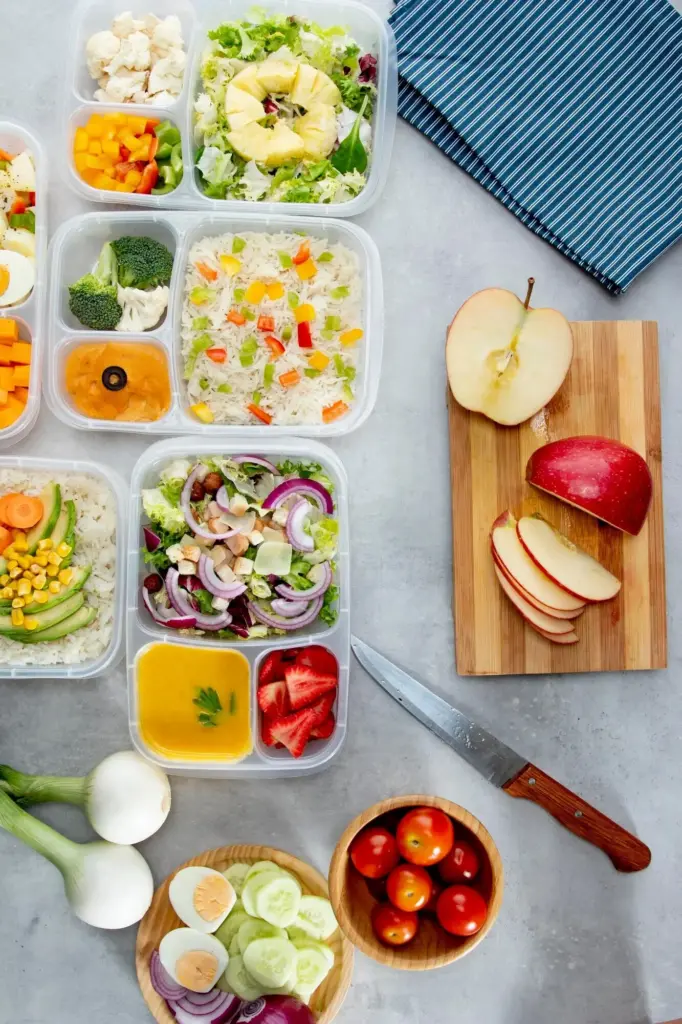
Choose a weekly prep window and protect it like an appointment. Wash, dry, trim, and portion while your playlist runs and sheet pans line the counter. Keep bowls for compost and scraps. Label containers as you go. Slice for intended uses, from stir-fry strips to roasting chunks. This quiet, focused ritual stacks tiny wins, transforming produce into future ease, abundant variety, and reliable nourishment.

Flash Freeze on Trays

Arrange blanched vegetables, berries, meatballs, and even cooked grain patties on parchment-lined trays in a single layer. Freeze until firm so pieces don’t clump. Transfer to bags, press out air, and label with date and weight. This method preserves shape, encourages easy portioning, and prevents soggy textures. Opening a bag later feels like shopping your own carefully curated, precisely organized frozen aisle.

Containers, Bags, and Vacuum Sealers

Choose freezer-rated containers that resist cracking and odors. Rigid containers protect soups and stews; silicone trays shape perfect portion cubes; durable bags stack flat. Press out air or vacuum seal to slow freezer burn and oxidation. Label clearly and stack consistently so inventory remains visible. This thoughtful toolkit extends shelf life, reduces waste, and keeps your cooking options wide open, even on rushed evenings.

Batch Cooking Proteins and Grains for Balanced Plates

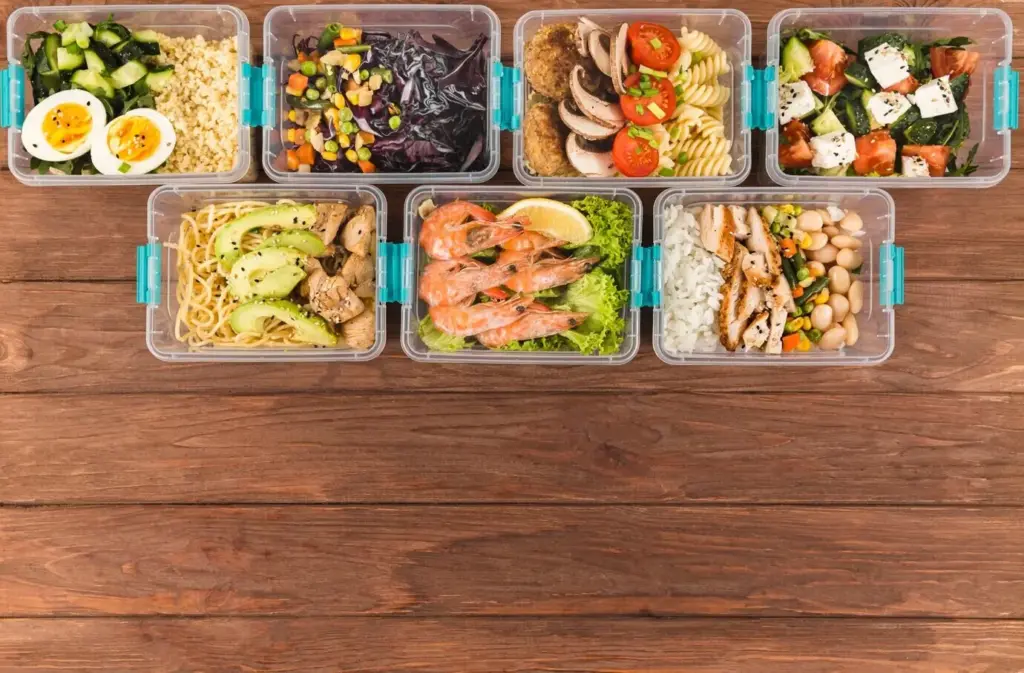
Cook once, eat many times with thoughtfully seasoned proteins and grains. Keep flavors versatile: simple salt, pepper, lemon, garlic, and herbs. Cool rapidly on sheet pans before packing to maintain texture. Portion in meal-ready sizes, pairing grains separately for flexibility. By stocking mix-and-match components, you create swift bowls, salads, wraps, and skillets that still taste freshly cooked after safe reheating.

Lean Proteins Two Ways

Roast chicken breasts simply for slicing and shred a separate batch with mild spices for tacos or soups. Try turkey meatballs, baked tofu, or braised lentils for plant-forward variety. Cool to room temperature within two hours, then chill quickly before freezing. Portion thoughtfully to avoid repeated thawing. Neutral seasonings make later meals adaptable, while consistent textures hold up beautifully through freezing and gentle reheating.

Whole Grains that Reheat Fluffy

Cook brown rice, quinoa, or farro just to tenderness, not mush. Spread on trays to steam off moisture, then portion flat in bags for quick thawing. Reheat with a splash of water, covered, to revive steam and restore fluff. Consider pre-seasoning some portions with citrus zest or herbs. Label by cup measurements, enabling effortless meal planning and accurate nutrition tracking across busy weeks.

Bean Basics without the Bloat

Soak beans overnight, drain, and cook gently with aromatics. A small piece of kombu or thorough rinsing may help digestion. Cool in their cooking liquid to preserve moisture, then freeze in one-cup portions. These ready-to-use beans star in salads, chilis, and fast skillets. Keeping neutral seasoning lets you swing flavors boldly later, while consistent texture survives freezing with welcome tenderness and satisfying bite.
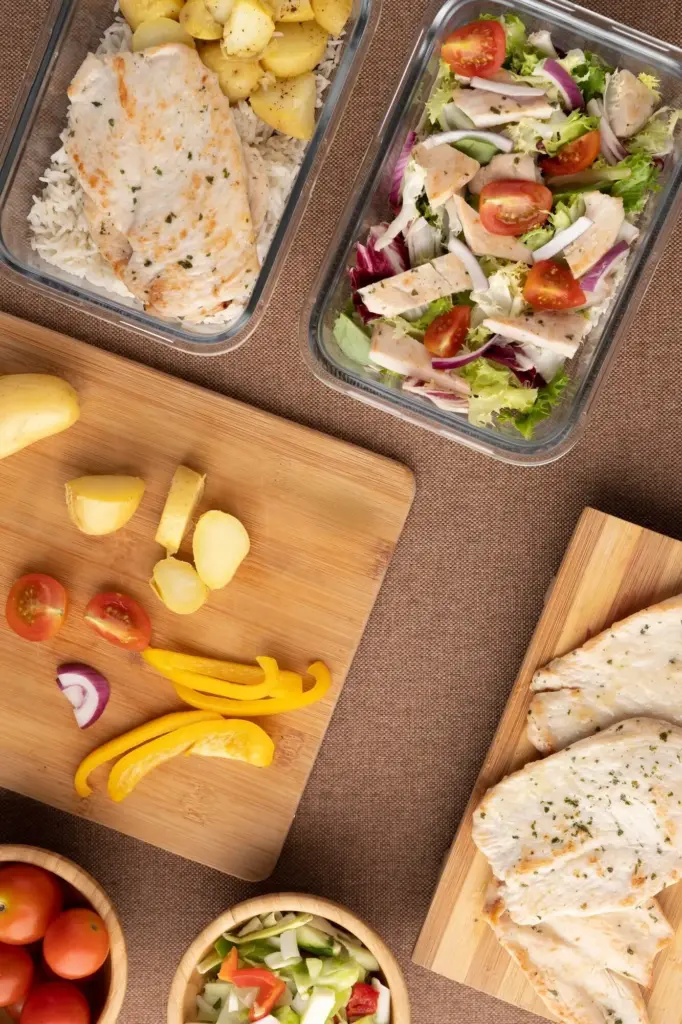
Storage, Labeling, and Rotation You’ll Actually Use

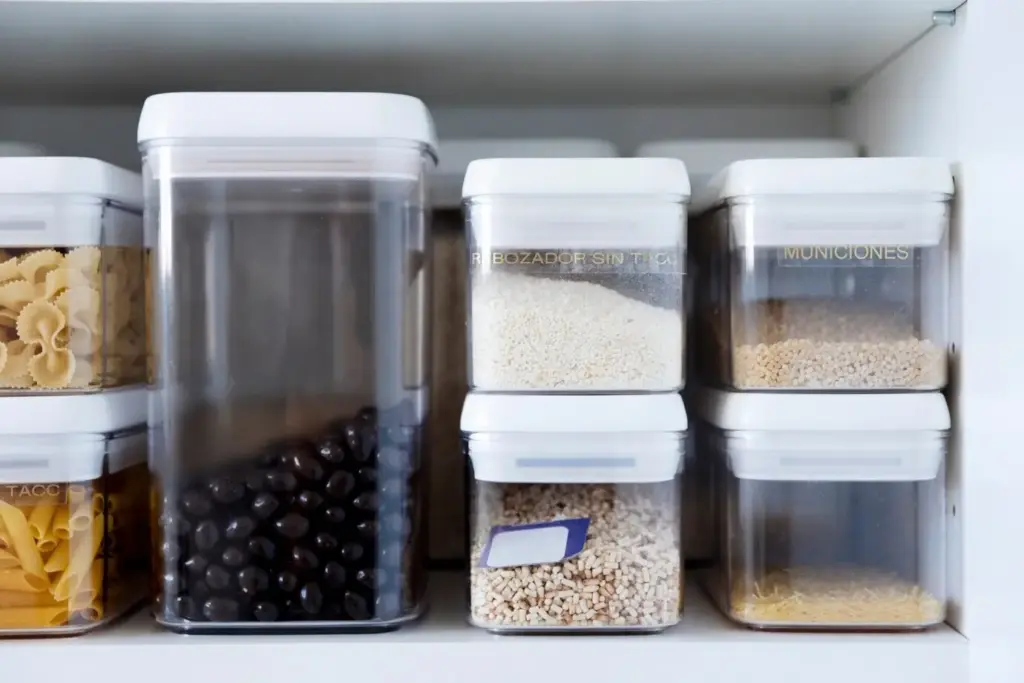
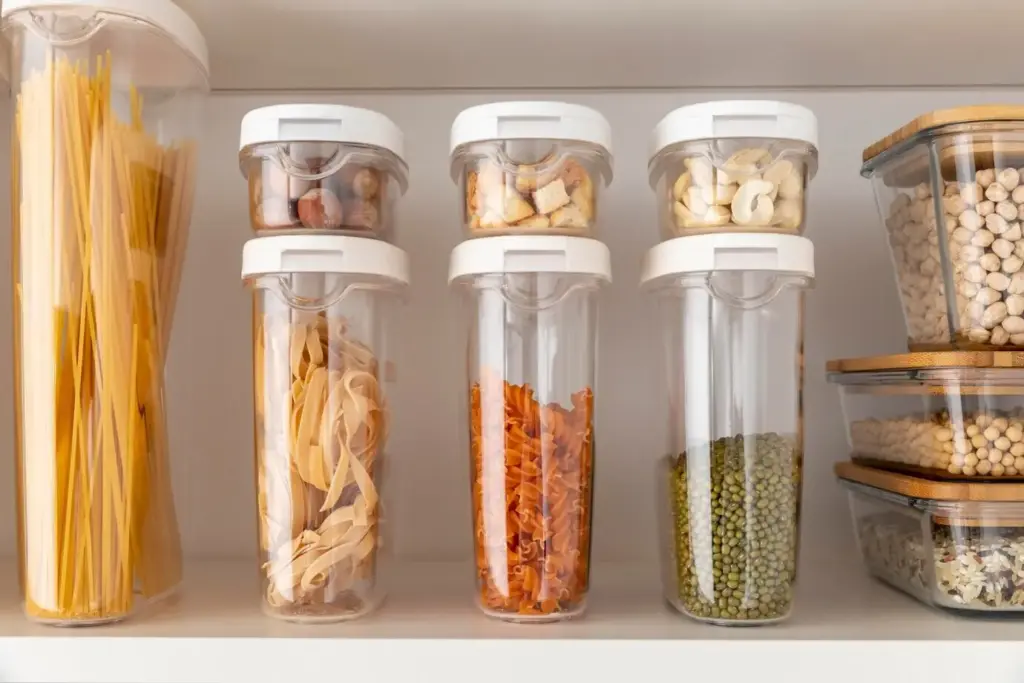
An organized freezer encourages real follow-through. Label every package with item, date, portion, and quick reheating notes. Keep quick-use items in a grab zone and bulk backups deeper. Maintain a visible inventory and practice first-in, first-out. Simple Sunday reviews prevent mystery meals and unnecessary purchases, while turning your freezer into a reliable pantry of possibilities instead of a chilly, forgotten archive.

Fast Thawing and Reheating without Compromise
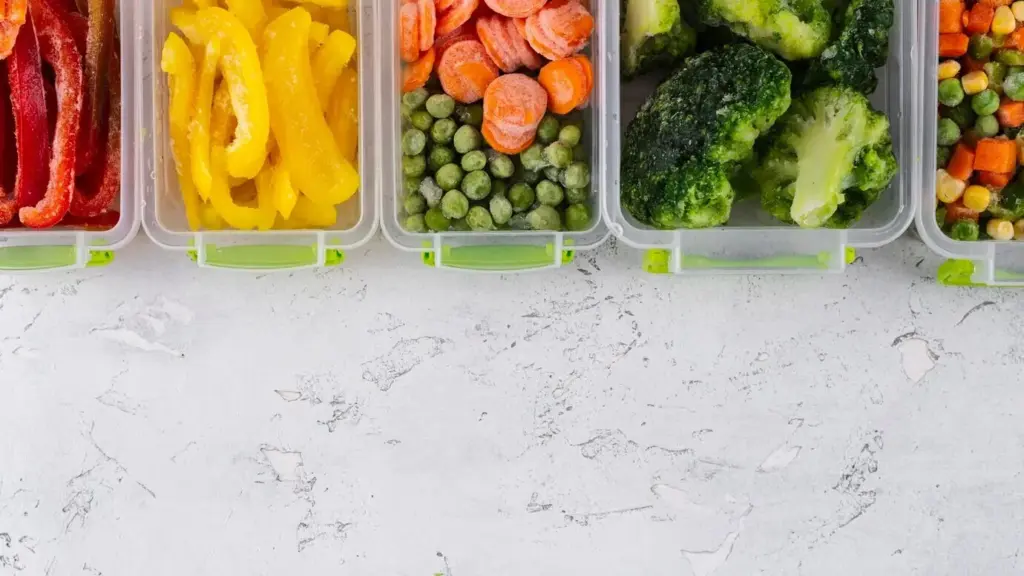
Safety and texture can happily coexist with the right steps. Thaw overnight in the refrigerator whenever possible, or use a cold-water bath with sealed bags, changing water every thirty minutes. Reheat to 165°F, then finish with crisping or a fresh garnish. Add acidity, herbs, and crunch to revive brightness. With these habits, convenience never means compromise, just dependable, delicious results every time.

Overnight Fridge Wins

Place frozen items on a tray on the lowest shelf to catch drips and prevent cross-contamination. Most single-portion packs thaw overnight; larger casseroles may take longer. Keep space around containers for airflow. This gentle method protects texture, preserves moisture, and sets you up for painless weeknight cooking. A quick finishing sear or fresh herb sprinkle is all you need to restore restaurant-worthy satisfaction.

Cold Water Safety

When time is tight, seal food in a leakproof bag and submerge in cold water, refreshing every thirty minutes. Smaller portions thaw in an hour or less. Cook immediately after thawing. Never leave food on the counter. This method respects food safety while saving dinner plans, preserving tenderness, and avoiding over-softening that sometimes happens with imprecise microwave defrost settings during hectic evenings.

Reheating for Texture

Choose tools that respect the dish. Revive roasted vegetables in a hot oven for edges that re-crisp. Warm grains covered with a splash of water to steam back to life. Skillet reheating suits saucy proteins, while microwaving works with careful stirring and a vented cover. Aim for 165°F, then rest briefly. Finish with lemon, olive oil, herbs, or toasted nuts to restore layered, vibrant flavors.
Lorozufuzenaxupezulo
Privacy Overview

This website uses cookies so that we can provide you with the best user experience possible. Cookie information is stored in your browser and performs functions such as recognising you when you return to our website and helping our team to understand which sections of the website you find most interesting and useful.