
Lock In the Harvest’s Goodness
Why Nutrients Slip Away Without Care
Timing by Vegetable: Practical Benchmarks
Ice Baths That Truly Halt Cooking
Vacuum Sealing That Protects Flavor and Structure
Choosing Bags, Rolls, and Reusable Options
Not all plastics behave the same at low temperatures. Look for multi-layer, textured channels that help air evacuate efficiently. Rolls cut to size reduce waste, while reusable silicone bags are excellent for short-term storage. Test seals by flexing frozen corners. Share your brand experiences, puncture issues, and cleaning tips. Together, we’ll build a vetted list of options that balance durability, sustainability, and cost.
Wet Foods and the Gentle Pulse Technique
Moist foods can flood sealers and weaken seams. Chill items first or flash-freeze on trays, then vacuum. Use pulse or gentle modes to stop suction before liquid rises, and add a double seal for security. For sauces, try jar sealers or freeze-flat pouches. Demonstrate your setup in comments, and we’ll help fine-tune pressure settings, headspace, and sealing sequences for cleaner, stronger results every time.
Labels, Batch Codes, and Confident Rotation
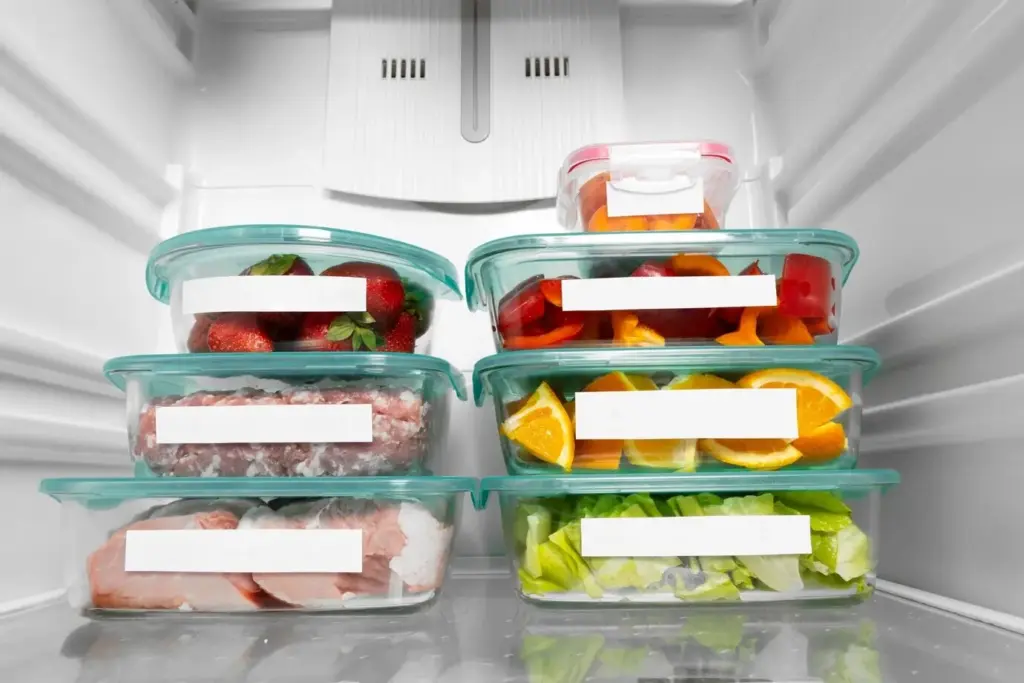
Great preservation deserves organized retrieval. Label with item, prep method, blanch time, freeze date, and a simple batch code. Store oldest up front, newest behind, and schedule taste checks each month. This habit avoids mystery bags and forgotten gems. Share printable templates you love, and we’ll compile community resources so your freezer becomes a reliable pantry of color, crunch, and effortless weeknight wins.
From Field to Freezer: A Seamless Workflow
Thawing and Cooking Without Losing the Win
Direct-to-Pan Confidence for Vegetables
Soups, Smoothies, and Broths That Love Frozen Produce
Re-Crisping Texture With Heat and Fat
Tools, Space, and Energy Smarts
Freezers That Stay Cold When You Need It
Look for strong insulation, rapid temperature recovery, and enough shelving or baskets to organize by vegetable and date. A dedicated preserving freezer avoids frequent household openings that warm the space. Add a data-logging thermometer for confidence. Share your model and habits, and we’ll estimate realistic loading capacity, helping you hit fast freeze rates that protect the delicate structures your blanching work already safeguarded.
Power Outage Plans and Temperature Monitors
Even short outages can thaw edges and refreeze surfaces, stressing texture. Keep a tightly packed freezer, use thermal mass like frozen water jugs, and consider a small generator for longer events. Wireless temperature monitors send alerts before quality slips. Share your local grid reliability and space constraints, and we’ll suggest contingency setups that preserve months of effort through storms, heat waves, and weekend trips.
Maintenance, Defrosting, and Clear Organization
Frost buildup insulates coils and slows freezing. Schedule gentle defrosts, clean gaskets, and vacuum vents seasonally. Use stackable bins and bold, waterproof labels for visibility. Maintain a simple inventory sheet taped to the door. Post a snapshot of your current interior and we’ll suggest smart bin categories, rotation cues, and shelf maps that save time, reduce waste, and keep every preserved vegetable easy to find.