Cook Once, Savor All Season: Freezer-Friendly Feasts from Local Harvests

Today we dive into seasonal batch cooking with local produce for freezer-friendly meals, turning market bounty into weeknight relief. Learn how to plan around harvest cycles, prep efficiently, freeze safely, and reheat with bright, fresh flavor. Expect practical steps, small stories from bustling stalls, and inviting ideas that help you cook once, eat beautifully, and waste less while supporting nearby growers.

Plan by the Calendar of Crops

Align your cooking sessions with what fields and gardens are offering right now, not what a recipe site suggests in abstract. Mapping peak weeks for tomatoes, corn, greens, roots, and squash lets you batch when prices drop and flavors soar. We will sketch flexible cook days, portion targets, and storage space checks, then invite you to share your regional harvesting rhythms and favorite market stops for collective inspiration.
Spring’s delicate greens ask for quick handling and gentle preservation. Spin-dry, chop, and freeze blanched spinach or kale in flat packs for easy smoothie handfuls or soup boosts. Shell peas briefly blanched stay sweet and snappy, ready for risottos. Light vegetable broths simmered with fennel fronds and herb stems become freezer gold. Tell us your spring market ritual, and which stall always hands you the first sugar snap to taste.
When summer explodes, lean into marathon sessions that transform mountains of tomatoes into silky passata, slow-roasted sheets into rich bases, and chunky salsas that wake up winter nights. Corn kernels, cut and flash-frozen on trays, keep their sunshine sweetness. Zucchini becomes savory fritters or ribbons for bake-ahead casseroles. Share your cooling hacks for steamy kitchens, and your favorite playlist that keeps everyone chopping till jars clink like applause.
Autumn invites deep roasting and cozy portions. Butternut, delicata, and kabocha roast into caramelized cubes or blend into velvet purées that wait patiently in the freezer. Carrots, parsnips, and beets become sheet-pan mixes perfect for grain bowls. A big batch of onion-rich gravy base turns meatless or meaty dinners hearty. Tell us which orchard or farm stand you visit for those sturdy beauties, and how you celebrate the first frosty morning.

Market to Freezer Workflow

Smart Washing and Crisp Storage

Dust, soil, and field debris interfere with texture and safety, so rinse produce in cool water, then spin or towel-dry until it’s truly moisture-managed. A brief vinegar dip helps reduce surface microbes, but always rinse again. Separate tender herbs from sturdy stems before storage, and line containers with cloth or paper to absorb lingering dampness. Share your go-to drying setup, whether it’s a spinner, racks, or neatly arranged tea towels across the counter.

Knife Work That Saves Your Future Self

Dust, soil, and field debris interfere with texture and safety, so rinse produce in cool water, then spin or towel-dry until it’s truly moisture-managed. A brief vinegar dip helps reduce surface microbes, but always rinse again. Separate tender herbs from sturdy stems before storage, and line containers with cloth or paper to absorb lingering dampness. Share your go-to drying setup, whether it’s a spinner, racks, or neatly arranged tea towels across the counter.

Blanch, Roast, or Steam? Choose the Right Pre-Cook

Dust, soil, and field debris interfere with texture and safety, so rinse produce in cool water, then spin or towel-dry until it’s truly moisture-managed. A brief vinegar dip helps reduce surface microbes, but always rinse again. Separate tender herbs from sturdy stems before storage, and line containers with cloth or paper to absorb lingering dampness. Share your go-to drying setup, whether it’s a spinner, racks, or neatly arranged tea towels across the counter.

Freezer Safety and Texture Magic
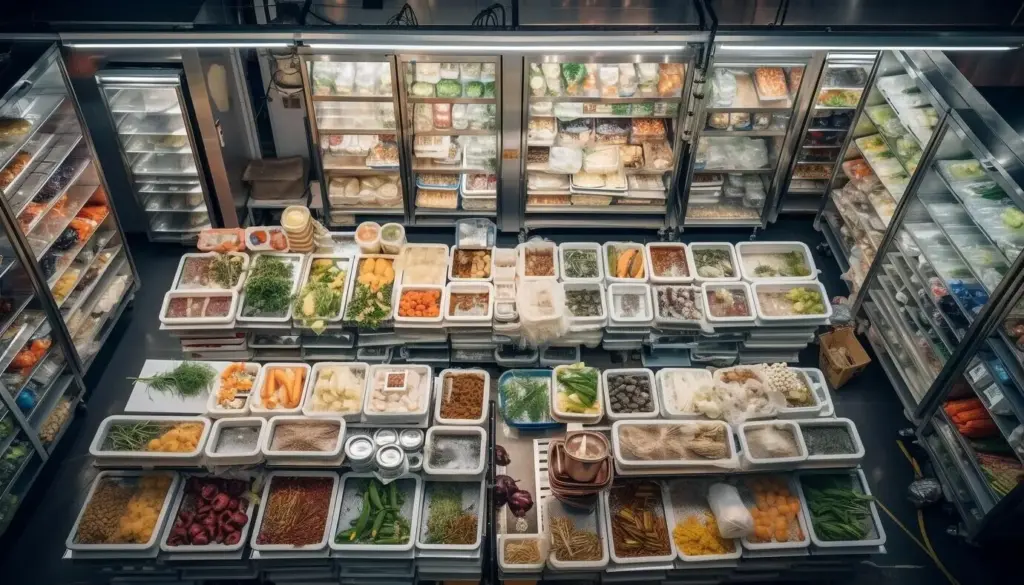
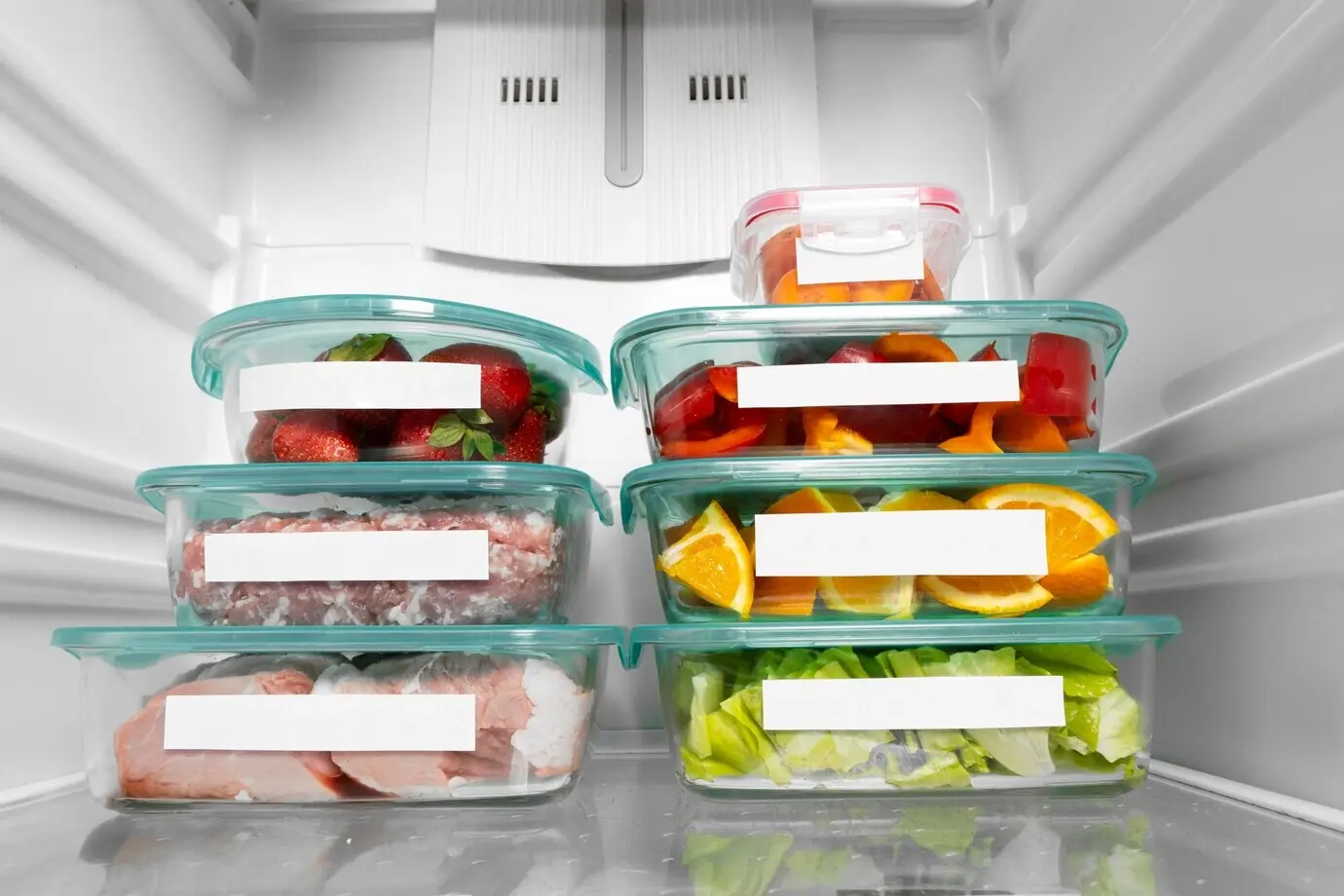
Better freezing is about speed, airflow, and vigilance. Cool hot food quickly in shallow containers, use an ice bath when possible, and avoid stacking warm pans. Keep freezer temperature at or below 0°F (-18°C), leave space for circulation, and avoid constant door opening. Portion thoughtfully to reduce leftovers and refreezing. Share your labeling system and storage layout, and tell us what small change most improved your thawed texture and flavor.

Batch Recipes That Love the Freezer

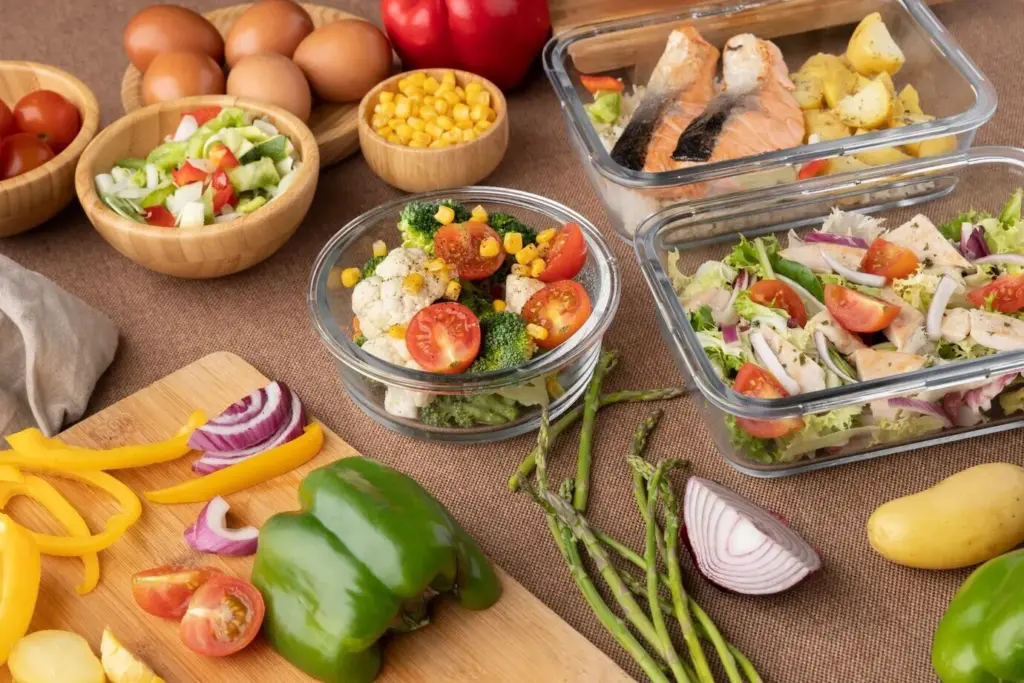
Some dishes return from freezing brighter than others. Choose soups, stews, sauces, roasted vegetables, braises, and bean-rich mains that reheat gracefully. Hold back delicate greens and most dairy, adding them fresh at serving. Build mix-and-match components that turn into bowls, wraps, and baked pastas. Swap flavor profiles seasonally while keeping a stable base. Tell us which recipes reliably delight your household, and we’ll share community favorites in future roundups.

Soup and Stew Base Strategy

Concentrated bases freeze compactly and rehydrate beautifully. Simmer tomato-basil broth, carrot-ginger purée, or hearty mushroom stock, then portion into pouches that thaw quickly. Add fresh greens, noodles, or cream after reheating for best texture. A reader once wrote that a single August pot carried them through November lunches. What base does that for you, and how do you customize bowls so each serving feels new?

Versatile Sauces and Pastes

Tomato passata, roasted pepper purée, and chili-garlic paste turn plain staples into meals. Freeze pesto with minimal cheese in small cubes, adding grated cheese at serving. Blend herb stems into salsa verde to reduce waste. A spoonful of concentrated sauce can rescue any Wednesday. Share your power sauces, the ones that lift eggs, grains, or leftovers, and we’ll compile a community list that saves dinners everywhere.
Flavor That Survives the Freeze

Cold storage can mute aromatics, so season with intention and finish with brightness. Build solid base layers—browned onions, toasted spices, roasted tomatoes—then add fresh herbs, citrus, or a splash of vinegar at serving. Plan textures, too, since contrast signals freshness. Keep a small pantry of finishing touches ready. Tell us which quick additions make thawed meals taste new again, and how you tailor seasoning for different seasons.

Herbs, Acids, and Finishing Oils

Freeze chopped herbs in olive oil cubes for gentle release, and keep fresh bunches for last-minute pop. Lemon juice, zest, sherry vinegar, or a spoon of yogurt brighten flavors dulled by cold. Drizzle chili oil or garlic-infused oil made and stored safely in the freezer. Which finishing flourish do you reach for first, and how do you decide between citrus sparkle, herbal lift, or a lush, peppery sheen on top?

Spice Mixes and Aromatics

Toasted spices survive freezing better and bloom quickly when reheated. Build dependable blends—smoky chili, warm garam masala, or herby za’atar—and keep them labeled near the stove. Sweat onions, garlic, and celery into flavor bases you can portion and freeze. Layer spices during reheat for peak aroma. Share your signature mix proportions, and whether you count, smell, or taste your way to the sweet spot every single time.

Texture Boosters at Reheat Time

Crunch and contrast lift morale. Toasted seeds, croutons, crisped chickpeas, or a quick pickle transform a soft stew. Fresh herbs, microgreens, or shredded raw cabbage bring snap. Keep a jar of breadcrumbs ready for sizzled finishes. What topper rescued your most tired leftovers, and how do you plan a tiny garnish station that turns reheating from routine into a small, delicious creative moment every evening?

Budget, Time, and Community Wins

Buying seasonally, in bulk, and locally stretches every dollar while supporting growers. Batch days trade a few focused hours for many relaxed evenings. Community swaps multiply variety without extra effort. Track savings, celebrate reduced waste, and share what you learn. Invite friends to join, compare costs, and build a neighborhood rhythm of cooking together. Tell us your biggest win so far, and what you hope to master next month.
Plan menus around peak produce, then let bargains steer the details. Look for seconds tomatoes for sauce, larger boxes at day’s end, and loyalty discounts from friendly vendors. CSAs offer steady variety; co-ops share bulk buys. Bring cash, containers, and a cooler to protect quality. Report your best market negotiation story, and the surprising item that became a signature freezer staple in your kitchen through simple, seasonal buying.
Gather a small crew, choose a menu set, and assign roles—sauce captain, chopping lead, labeling wizard. Everyone leaves with a mix of dishes, and the work feels light. Share equipment, playlists, and a celebratory snack at the end. We would love to feature your cook-swap photos, favorite systems, and lessons learned. What guidelines keep it joyful, safe, and delicious, and how do you handle dietary needs gracefully?
Lorozufuzenaxupezulo
Privacy Overview

This website uses cookies so that we can provide you with the best user experience possible. Cookie information is stored in your browser and performs functions such as recognising you when you return to our website and helping our team to understand which sections of the website you find most interesting and useful.