
Freeze Freshness, Label for Confidence
Wash, Sort, and Dry with Intention
Blanching and Cooling to Stop Enzymes
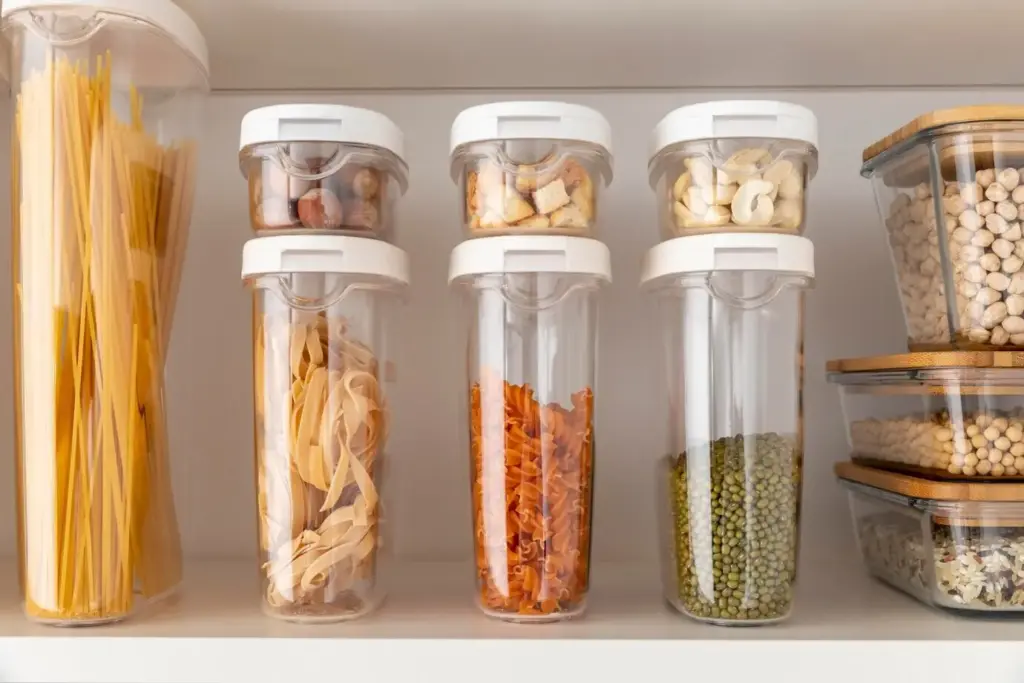
Choose the Vessel with Purpose
Glass containers shine for soups and stews; they resist staining and odors while showcasing contents at a glance. Rigid plastic and silicone excel for stackable meals and snug fits. Freezer-specific zipper bags flatten well, thaw quickly, and save space. Whatever you choose, prioritize airtight seals, crack resistance at low temperatures, and easy-to-label surfaces.
Air Is the Enemy—Remove It Relentlessly
Oxygen fuels freezer burn and dulls flavor. Press out air from bags, use water displacement for a near-vacuum seal, or invest in a vacuum sealer for best-in-class protection. Wrap casseroles tightly with parchment, then heavy-duty foil. For sauces, cool fully, then top off containers to minimize headspace, reducing ice crystal formation over time.
Prevent Odor Transfer and Staining
Aromatics like onions and garlic can perfume everything nearby if seals fail. Double-bag strong-smelling items and choose glass when color-rich sauces might stain plastic. Keep baking soda in the freezer compartment and clean gaskets periodically. Thoughtful placement and reliable lids preserve delicate fruits and greens from unwelcome flavors and unsightly discoloration.
What to Write and Why It Matters
Color, Icons, and Placement for Instant Clarity
Bring Digital Tools into the Freezer
Freezer Management for Maximum Lifespan and Zero Guesswork
Temperature Discipline Every Day
Place an easy-to-read thermometer in the freezer and check it weekly. Keep it 0°F (-18°C) or colder and resist frequent door openings. Fill empty space with water bottles to stabilize temperature during power blips. If outages occur, keep the door closed—food often stays safely frozen for many hours when undisturbed.
Organize for Speed and Safety
Designate shelves by category: vegetables, sauces, proteins, and ready-to-heat meals. Use labeled bins and a simple diagram taped to the door. Place most-used items at chest height for quick grabs. Faster retrieval means less temperature fluctuation, better texture, and a calmer kitchen when everyone is hungry at once.
Nutrition and Food Safety You Can Trust from Freezer to Fork
Thawing Without Risk or Soggy Textures
Thaw in the refrigerator whenever possible; slow, cold defrosting protects quality and safety. For quicker results, use sealed bags in cold water, changing water every 30 minutes. Microwave defrost only when cooking immediately. Never thaw on the counter, and avoid refreezing unless food remained refrigerator-cold and quality still feels worth preserving.
Reheating for Flavor and Safety
Heat thoroughly to 165°F (74°C), stirring soups and stews midway for even warmth. Add a splash of broth to revive grains or vegetables. Check hot spots with a thermometer, rest briefly for carryover heat, and avoid partial reheats. When in doubt, reheat more, not less, and savor textures that feel lively, not limp.
