Lock In the Harvest’s Goodness

Today we explore nutrient preservation techniques—blanching, flash-freezing, and vacuum sealing farm-fresh foods—to keep vitamins, color, and flavor alive long after picking. Expect practical steps, science you can trust, and warm kitchen stories that make careful preparation feel easy, empowering, and delicious. Share your wins, ask questions, and join our growing community of home preservers learning, tweaking, and thriving together.

Why Nutrients Slip Away Without Care

Fresh produce begins changing the moment it’s harvested. Enzymes keep working, oxygen nibbles at delicate compounds, and temperature swings speed losses in color, texture, and vitamins. Understanding these quiet processes helps explain why swift blanching, fast freezing, and oxygen control consistently outperform guesswork. Share where you notice the quickest changes at home, and we’ll tailor future guides around your produce and climate challenges.

Timing by Vegetable: Practical Benchmarks

Different structures require different times. Peas and corn love shorter blanches, while sturdy greens and broccoli tolerate slightly longer windows. Keep a stopwatch nearby and test one batch, not your entire harvest. Measure texture by bite and color by gleam. Record results, label bags with times, and adjust next round. Comment with your best timings, and we’ll assemble a shared, living reference.

Ice Baths That Truly Halt Cooking

An ice bath isn’t just cold water; it must be cold enough to crash the temperature below the enzyme activity range quickly. Use generous ice, stir gently, and refresh the bath as it warms. Cooling completely prevents carryover heat from softening textures. Share your setup—bowls, sinks, or coolers—and we’ll suggest improvements that keep greens crisp, corn snappy, and colors astonishingly vivid.

Flash-Freezing for Clean Texture and Easy Portions

Vacuum Sealing That Protects Flavor and Structure

Choosing Bags, Rolls, and Reusable Options

Not all plastics behave the same at low temperatures. Look for multi-layer, textured channels that help air evacuate efficiently. Rolls cut to size reduce waste, while reusable silicone bags are excellent for short-term storage. Test seals by flexing frozen corners. Share your brand experiences, puncture issues, and cleaning tips. Together, we’ll build a vetted list of options that balance durability, sustainability, and cost.

Wet Foods and the Gentle Pulse Technique

Moist foods can flood sealers and weaken seams. Chill items first or flash-freeze on trays, then vacuum. Use pulse or gentle modes to stop suction before liquid rises, and add a double seal for security. For sauces, try jar sealers or freeze-flat pouches. Demonstrate your setup in comments, and we’ll help fine-tune pressure settings, headspace, and sealing sequences for cleaner, stronger results every time.

Labels, Batch Codes, and Confident Rotation

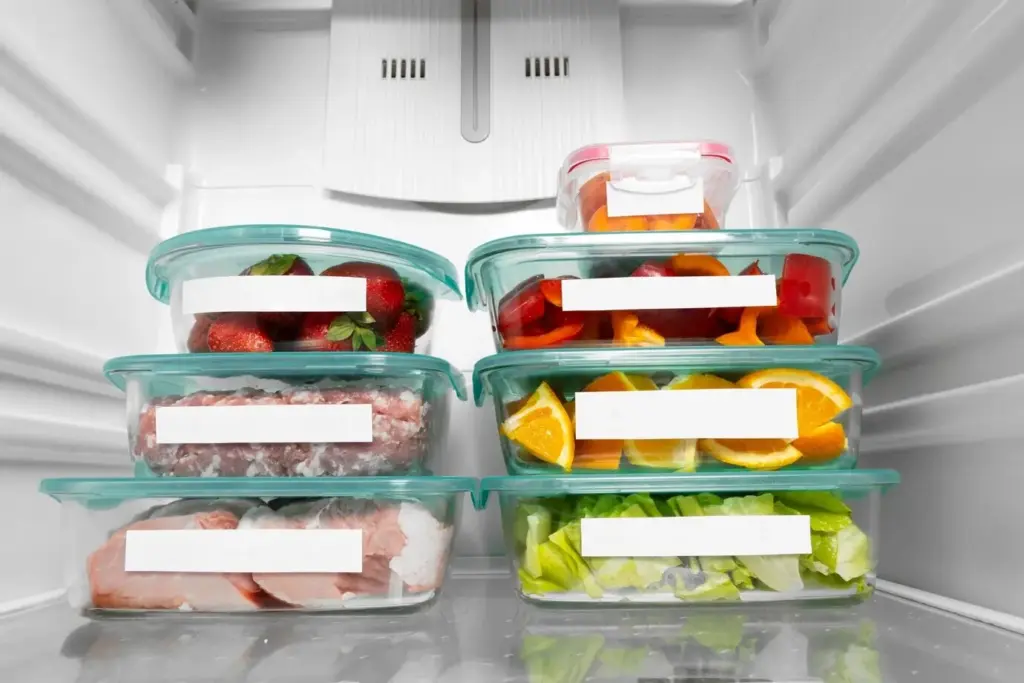
Great preservation deserves organized retrieval. Label with item, prep method, blanch time, freeze date, and a simple batch code. Store oldest up front, newest behind, and schedule taste checks each month. This habit avoids mystery bags and forgotten gems. Share printable templates you love, and we’ll compile community resources so your freezer becomes a reliable pantry of color, crunch, and effortless weeknight wins.

From Field to Freezer: A Seamless Workflow
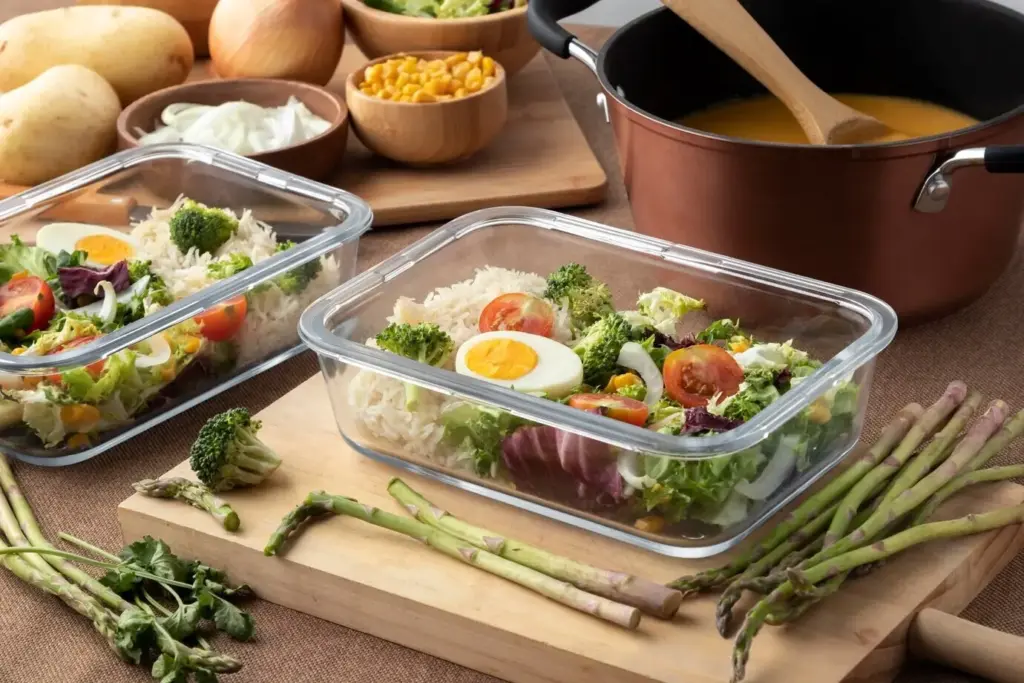
Efficiency turns preserving days from chaotic to joyful. Set up stages: sort, trim, wash, blanch, chill, dry, tray-freeze, pack, and seal. Arrange tools, towels, and timers within reach, and recruit a buddy for flow. This rhythm protects quality and reduces fatigue. Describe your kitchen layout and time constraints, and we’ll suggest station tweaks that keep produce moving and spirits high from first crate to final bag.

Thawing and Cooking Without Losing the Win

Direct-to-Pan Confidence for Vegetables

High heat, wide pans, and space between pieces prevent steaming. Start with a thin sheen of oil, add frozen vegetables in a single layer, and let edges caramelize before stirring. Finish with acid, herbs, or butter for sparkle. Post your skillet size and burner type, and we’ll help tune heat levels and timing so preserved vegetables taste vivid, structured, and deeply satisfying on busy nights.

Soups, Smoothies, and Broths That Love Frozen Produce

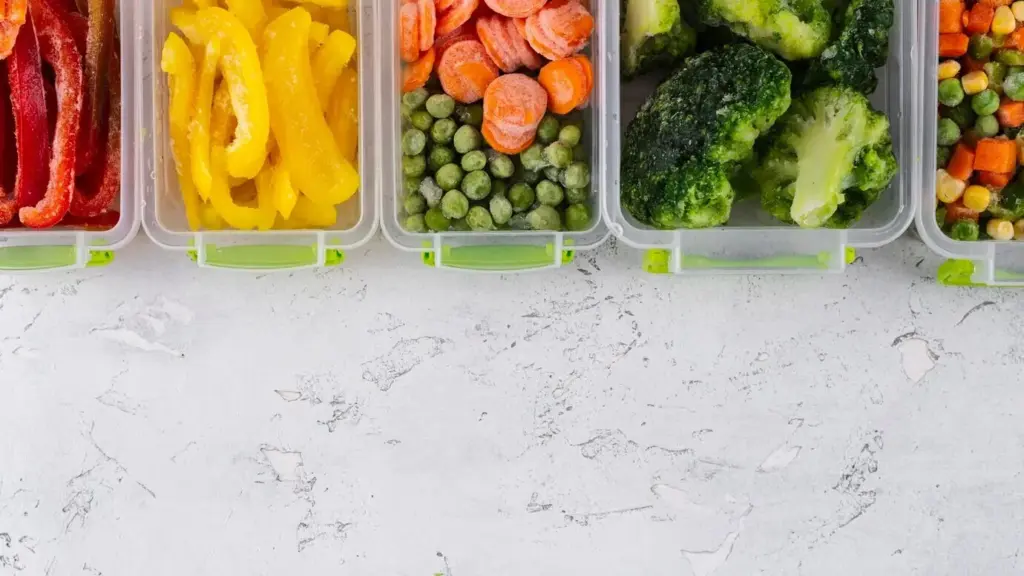
Frozen corn, greens, and carrots excel in blended soups and broths, where smooth textures embrace the preserved sweetness. For smoothies, flash-frozen fruits blend into thick, frosty drinks without ice dilution. Keep labeled packs sized for recipes. Share your favorite combinations, spice additions, and dairy-free swaps. We’ll feature community-tested blends that turn freezer sections into instant comfort and vibrant nourishment, even on your most hectic days.

Re-Crisping Texture With Heat and Fat

If thawed vegetables seem soft, use heat plus fat to restore structure and shine. Roast at high temperature or sauté briefly to drive off moisture, then finish with olive oil, ghee, or sesame oil. Salt late to keep snap. Share before-and-after photos and what pans you used, and we’ll troubleshoot soggy spots, guiding you toward that lively bite preserved at harvest.

Tools, Space, and Energy Smarts

Freezers That Stay Cold When You Need It

Look for strong insulation, rapid temperature recovery, and enough shelving or baskets to organize by vegetable and date. A dedicated preserving freezer avoids frequent household openings that warm the space. Add a data-logging thermometer for confidence. Share your model and habits, and we’ll estimate realistic loading capacity, helping you hit fast freeze rates that protect the delicate structures your blanching work already safeguarded.

Power Outage Plans and Temperature Monitors

Even short outages can thaw edges and refreeze surfaces, stressing texture. Keep a tightly packed freezer, use thermal mass like frozen water jugs, and consider a small generator for longer events. Wireless temperature monitors send alerts before quality slips. Share your local grid reliability and space constraints, and we’ll suggest contingency setups that preserve months of effort through storms, heat waves, and weekend trips.

Maintenance, Defrosting, and Clear Organization

Frost buildup insulates coils and slows freezing. Schedule gentle defrosts, clean gaskets, and vacuum vents seasonally. Use stackable bins and bold, waterproof labels for visibility. Maintain a simple inventory sheet taped to the door. Post a snapshot of your current interior and we’ll suggest smart bin categories, rotation cues, and shelf maps that save time, reduce waste, and keep every preserved vegetable easy to find.

Lorozufuzenaxupezulo
Privacy Overview

This website uses cookies so that we can provide you with the best user experience possible. Cookie information is stored in your browser and performs functions such as recognising you when you return to our website and helping our team to understand which sections of the website you find most interesting and useful.